Neural probe
Our neural probe is still in the research stage. We are currently conducting in-vitro experiments to detect substances such as dopamine and glutamate.
I feel truly fortunate that every piece of research I do stems from my genuine curiosity and passion.
And I’m deeply grateful to everyone who has supported and encouraged me along the way.
The papers are merely by-products of my curiosity-driven exploration of the fascinating world of science.
If you’re interested in what I’ve published, please visit my Google Scholar.
Here, I just want to share some fun photos and videos from my experiments.
Many more were lost when my phone once broke, yet they live on vividly in my memory, reminders that the most meaningful discoveries often lie not in the results, but in the process itself.
...

Our neural probe is still in the research stage. We are currently conducting in-vitro experiments to detect substances such as dopamine and glutamate.

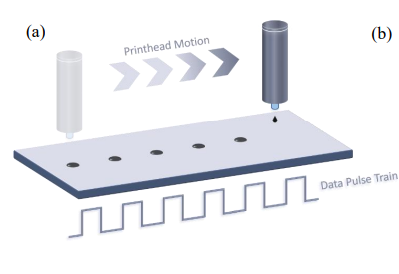
In the piezoelectric-driven inkjet printhead, we investigated the influence of waveform design on the droplet diameter and ejection velocity.

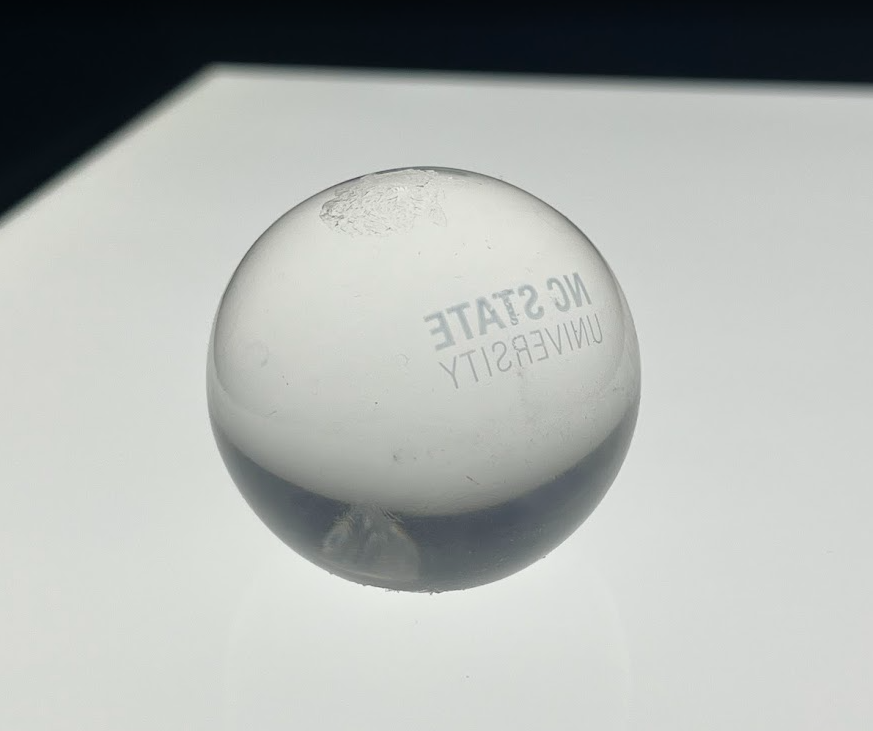
See this beautiful sphere? Our inkjet-printed pattern was perfectly transferred onto its surface, and it’s remarkably robust!
Hmmm, still practicing it... during a break after being subbed out in a tennis match.

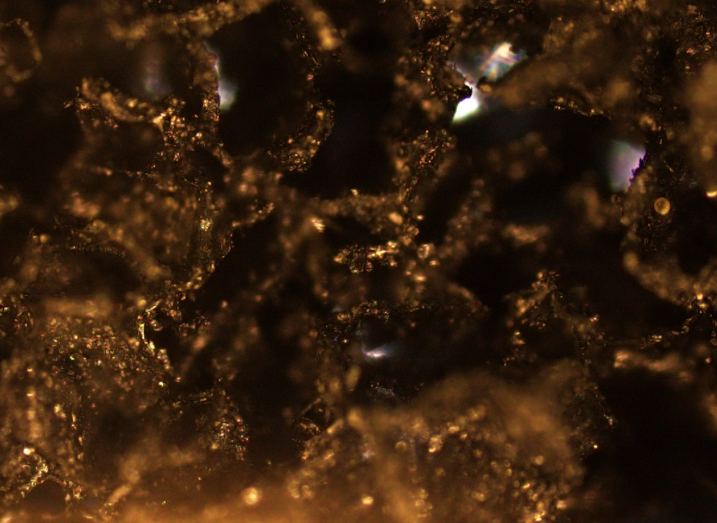
A sensor we built together with undergraduate students! The internal structure is stunning, it looks just like a crystal!

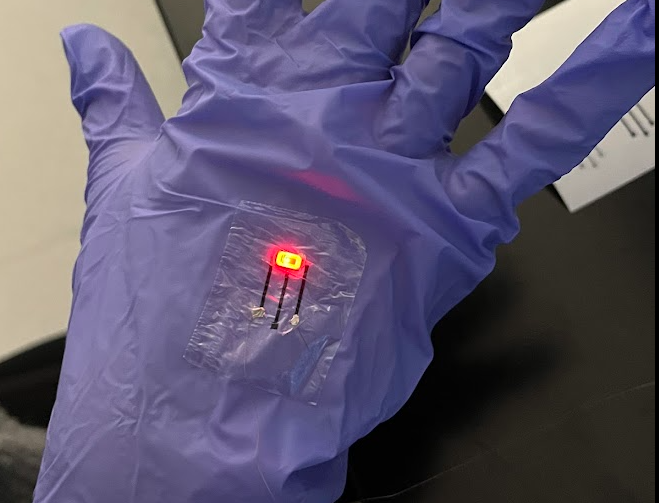
The moment my hand glowed for the first time...

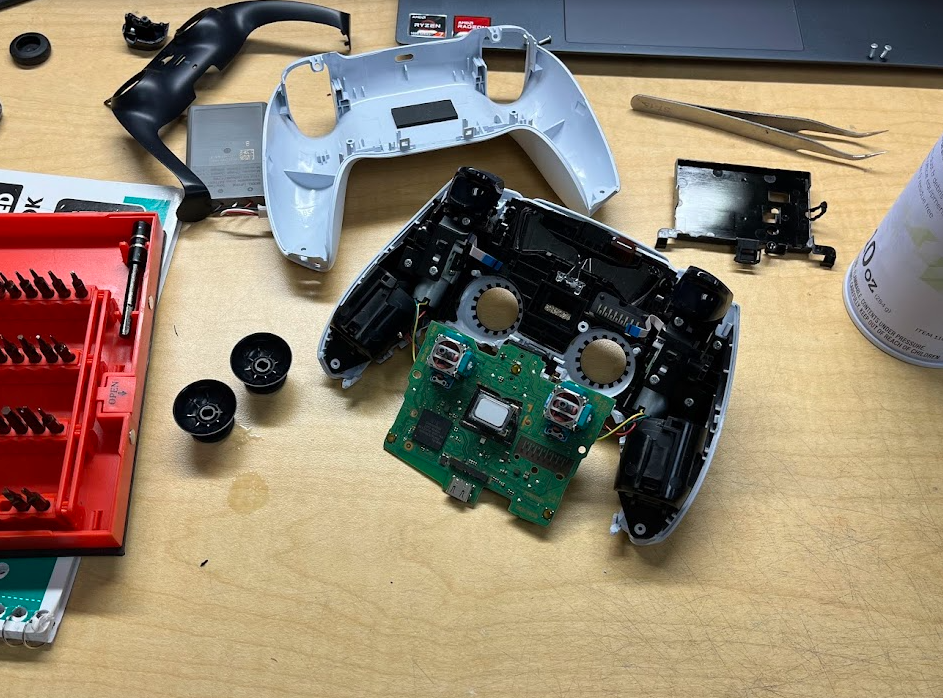
After playing 2K, Dr. Li's controller started drifting, we probably need to replace the joystick analog.
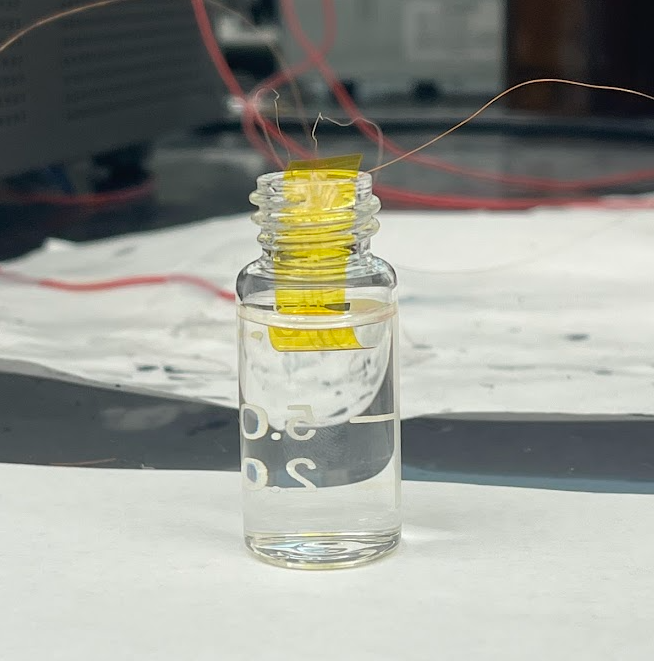
An unfinished project... using silver nanowires to generate Joule heating for powering an underwater robot...
This is a fun demo, a thermochromic hydrogel reveals the letters NCSU when the temperature changes.
An unfinished project... but a fascinating one, we used silver nanowires and PEG hydrogel to 3D print conductive gel circuits without any supporting structures.

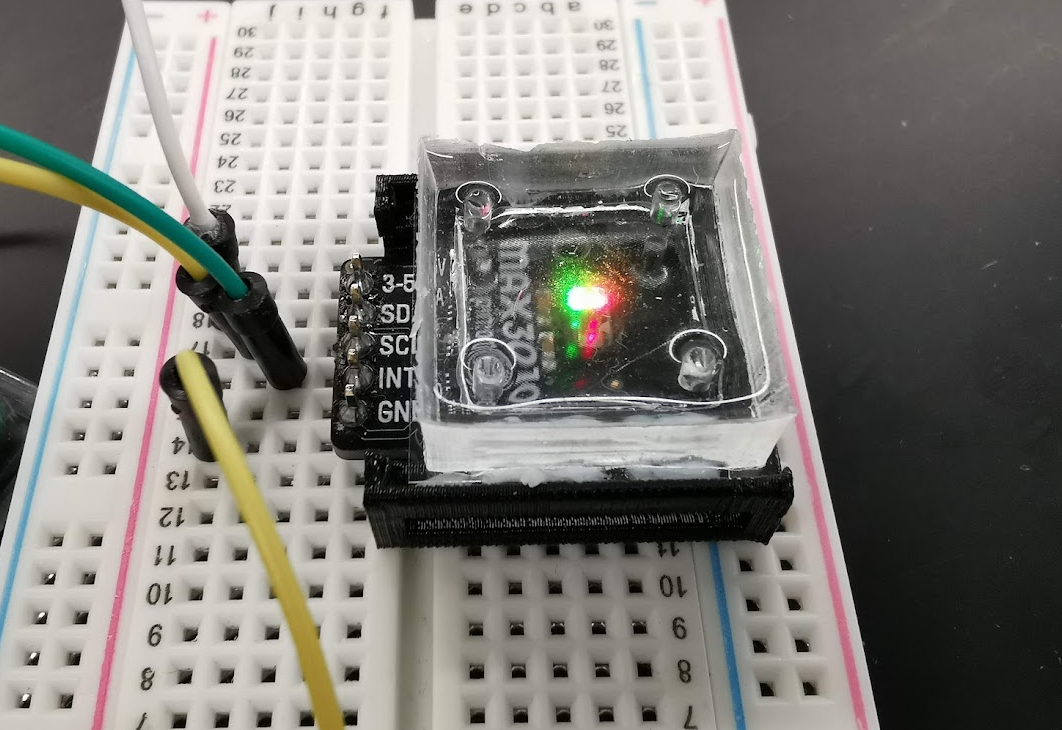
We arranged gold nanoparticles in an ordered manner within a hydrogel matrix. Under different pH conditions, the hydrogel exhibits varying degrees of swelling, which alters the spacing between nanoparticles, the resulting optical changes are then detected by an optical sensor.

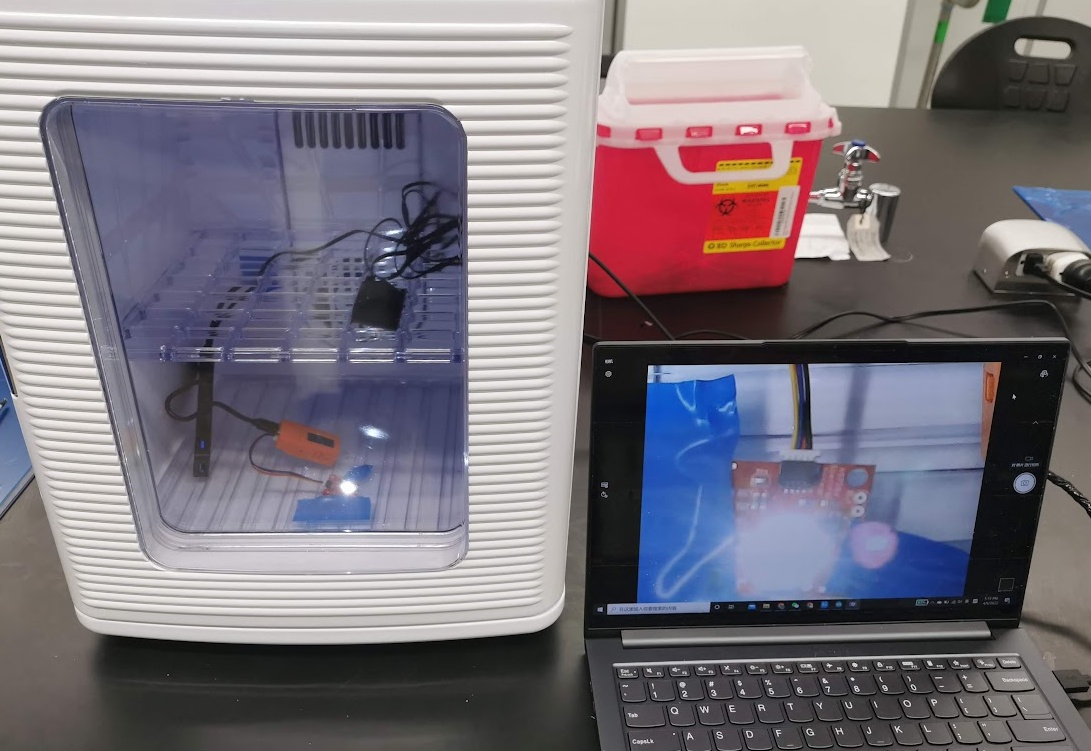
It’s just a simple temperature sensor, but assembling the incubator, camera, and sensor together was an incredibly satisfying process.
More publications and projects coming soon.